
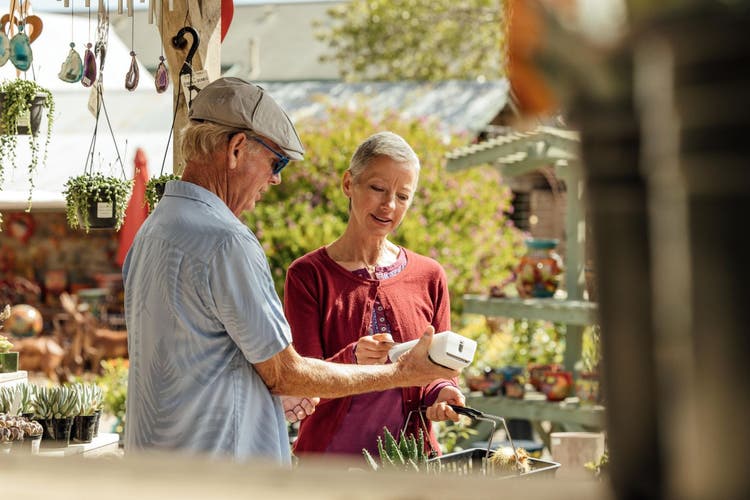
Farmers' markets, artisan fairs, and community festivals offer small businesses a unique opportunity to connect directly with customers, grow brand awareness, and generate sales. Across Canada, these local events give entrepreneurs an opportunity to connect with local shoppers, strengthen community ties, and grow their presence in the communities they serve.
Whether you're selling baked goods, fresh produce, handmade products, specialty foods, or retail merchandise, these events can help you reach shoppers who are actively looking to support local businesses.
But success at a farmers' market takes more than a great product. The most successful vendors combine preparation, organization, and a customer-first experience to make every market day count.
Here's how to make the most of your next event.
Is selling at a farmers' market worth it?
For many small businesses, participating in local markets can be an effective way to attract new customers and build community connections.
Benefits can include:
- Introducing your business to new audiences
- Generating direct sales
- Building brand awareness in your local community
- Gathering real-time customer feedback
- Testing new products before expanding them to a larger audience
At the same time, it's important to consider factors such as vendor fees, staffing requirements, inventory planning, and weather-related challenges. Taking the time to evaluate opportunities and prepare in advance can help ensure your participation is worthwhile.
Research markets before you commit
Not all markets are the same. Before registering, spend some time researching local events and visiting them as a customer. A summer market in rural Ontario may attract a very different audience than an artisan market in downtown Vancouver or a community festival in Halifax.
Pay attention to:
- Attendance levels
- Types of vendors participating
- Customer demographics
- Booth layouts
- Peak shopping times
Finding the right fit can help you connect with customers who are most likely to be interested in your products.
Create a memorable customer experience
A successful market isn't just about what you sell. It's about how people experience your business.
From the moment shoppers approach your booth, they should feel welcomed, informed, and confident about making a purchase.
Simple touches can make a difference:
- Clear product displays
- Easy-to-read pricing
- Friendly and knowledgeable staff
- A clean, organized booth
- Fast and convenient checkout
Customers are more likely to remember businesses that make shopping easy and enjoyable.
Make buying easy
When the market gets busy, convenience matters.
Long lineups and complicated payment processes can discourage customers from completing a purchase. Offering multiple payment options and creating a smooth checkout experience helps you serve more customers while reducing friction.
Modern payment solutions and mobile POS devices can make it easier to accept payments wherever customers are, rather than directing everyone to a single checkout location.
Stay flexible throughout the day
Every market is different. Weather conditions, customer traffic, and product demand can change quickly.
Having flexible processes in place allows you to adapt as situations evolve. Whether you're checking inventory, reviewing sales, or processing transactions, being able to operate efficiently from anywhere can help keep your business running smoothly.
The more agile your setup, the better prepared you'll be to handle unexpected challenges.
Prepare before you arrive
A successful market day often begins long before your booth opens.
Before the event:
- Label all products clearly
- Organize inventory for quick access
- Ensure your payment system is fully charged and ready to go
- Plan your booth layout in advance
- Bring backup supplies such as chargers, signage, packaging materials, and weather protection
Preparation allows you to spend less time troubleshooting and more time engaging with customers.
Keep lines moving
Busy periods are a good problem to have, but only if you're ready for them.
Consider ways to streamline transactions and reduce bottlenecks:
- Arrange products logically
- Position popular items where they're easy to access
- Prepare packaging materials ahead of time
- Make checkout as quick and efficient as possible
A faster checkout experience helps improve customer satisfaction and can lead to more completed sales throughout the day.
Know what's selling
One of the biggest advantages of selling at markets is the opportunity to learn directly from customer behaviour.
Tracking sales throughout the day can provide valuable insights into:
- Best-selling products
- Peak shopping periods
- Seasonal trends
- Inventory requirements
- Pricing opportunities
Over time, these insights can help you make more informed decisions about future events and business growth.
Manage inventory with confidence
Running out of your most popular products can lead to missed sales. Bringing too much inventory can create waste and tie up resources.
Tracking inventory before, during, and after an event helps you better understand customer demand and prepare more effectively for future markets.
Over time, inventory data can reveal patterns that help inform purchasing, production, and staffing decisions.
Build relationships with other vendors
Farmers' markets aren't just an opportunity to meet customers. They're also an opportunity to connect with fellow business owners.
Building relationships with other vendors can lead to:
- Collaboration opportunities
- Cross-promotions
- Local partnerships
- New business ideas and insights
A strong network within your local business community can continue to provide value long after market season ends, creating opportunities for partnerships, referrals, and future collaborations.
Turn one-time shoppers into repeat customers
The most successful vendors think beyond a single day's sales.
Every customer interaction is an opportunity to build a lasting relationship and encourage future purchases.
Consider ways to stay connected after the event:
- Encourage customers to follow your business on social media
- Direct shoppers to your website or online store
- Collect email subscribers for future updates
- Offer rewards or incentives for repeat purchases
Turning occasional visitors into loyal customers can help maximize the long-term value of every market you attend.
Make every market count
Across communities large and small, farmers' markets offer Canadian businesses more than just a chance to make sales. They provide an opportunity to strengthen community connections, build brand awareness, gather valuable customer insights, and create meaningful relationships.
With thoughtful preparation, efficient operations, and a customer-first mindset, every market can become a stepping stone toward sustainable business growth.
Whether you're attending your first event or looking to improve results at your next one, focusing on the customer experience can help make every market day count.
How Clover can help
Clover helps you accept payments on the go, manage your business from anywhere, and build lasting customer relationships. Learn more or connect with a Clover Business Consultant. You can also follow us on Facebook and Instagram.
Stay in touch
Sign up and learn more about Clover.